Is the Verpiss-Dich-Pflanze Poisonous? Unpacking Its Safety for Your Garden and Pets
Gardeners and pet owners alike often seek natural, humane solutions to keep unwanted animal visitors from digging up flower beds, marking territory, or otherwise disrupting their green spaces. Among the more intriguing options is a plant with a rather direct German name: the "Verpiss-Dich-Pflanze." Translating roughly to "Get Lost Plant," it promises to deter cats and dogs with its unique scent. But a crucial question naturally arises for anyone considering this plant for their home:
is the Verpiss-Dich-Pflanze poisonous?
The short and reassuring answer is:
No, the Verpiss-Dich-Pflanze (Coleus canina or Plectranthus ornatus) is definitively not poisonous. It is widely recognized as a non-toxic plant for both humans and animals, offering a safe and natural deterrent alternative. This means you can integrate it into your garden without fear of harming your beloved pets or any curious children who might come into contact with it. However, like most plants not intended for culinary use, it's not meant for consumption. Let's delve deeper into what makes this plant so unique and why its safety profile is a significant advantage.
Understanding the Verpiss-Dich-Pflanze: Names, Origins, and Unique Traits
The Verpiss-Dich-Pflanze, also known scientifically as
Coleus canina or sometimes
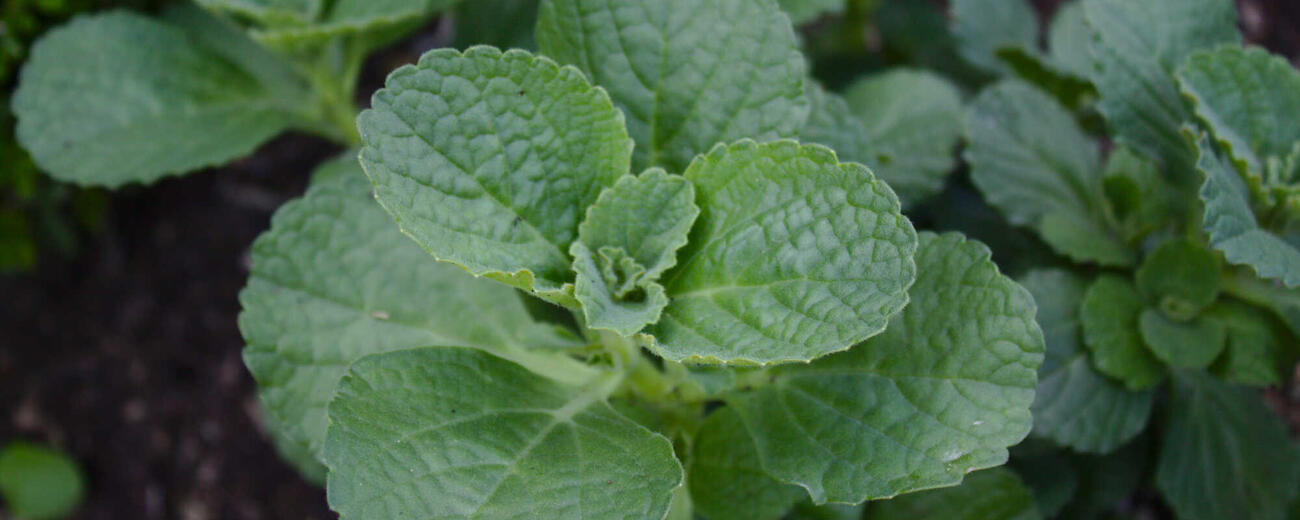
Plectranthus ornatus, and colloquially in German as the "Harfenstrauch" (Harf Bush), is a fascinating perennial. Its striking name immediately signals its primary purpose: to repel certain animals. This particular cultivar is noted to be a special breeding by a Swabian gardener, developed specifically for its deterrent properties.
What truly sets this plant apart is its ingenious mechanism for deterrence. For humans, the plant emits a very mild, slightly menthol-like fragrance that is generally only perceptible when the leaves are rubbed or brushed against. This subtle scent is often pleasant or barely noticeable to us. However, for animals with a far more acute sense of smell, such as cats and dogs, the plant’s aroma is distinctly unpleasant and acts as a strong deterrent. The "repellent effect" is attributed to the potent essential oils contained within the plant's leaves, which are released and become more concentrated when disturbed or under direct sunlight. This makes it an ideal, discreet solution for gardeners who don't want strong, pervasive smells in their outdoor living spaces but still need effective pest control.
The Verdict on Toxicity: Safe for Pets and People
The primary concern for any plant introduced into a home garden, especially one intended to interact with animals, is its toxicity. Fortunately, repeated scientific consensus and widespread horticultural experience confirm that the
Verpiss-Dich-Pflanze is completely non-toxic for both humans and pets. This crucial characteristic makes it a top choice for families with young children, curious cats, playful dogs, or even livestock, providing peace of mind that its repellent qualities do not come at the cost of safety.
While it is safe, the reference context clearly states, "Pflanze nicht zum Verzehr geeignet!" which translates to "Plant not suitable for consumption!" This is a standard disclaimer for many ornamental plants. It means that while ingesting a small amount might not cause severe harm due to its non-toxic nature, it is not cultivated or recommended as a food source. Just as you wouldn't eat a rose bush, you shouldn't eat the Verpiss-Dich-Pflanze. The discomfort caused by its strong menthol-like oils would likely deter consumption long before any theoretical health issues could arise.
In an age where many pest control solutions involve harsh chemicals or traps, the Verpiss-Dich-Pflanze stands out as a truly humane and eco-friendly option. It deters animals without causing them any physical harm, pain, or distress beyond a sensory aversion. Furthermore, during its summer blooming period, the plant offers a beneficial food source for insects and bees, contributing positively to local biodiversity, unlike many chemical deterrents that can harm beneficial pollinators. This combination of safety, effectiveness, and environmental friendliness underscores why this plant is increasingly lauded in horticultural circles and by animal welfare advocates.
How the Verpiss-Dich-Pflanze Works as a Repellent
The effectiveness of the Verpiss-Dich-Pflanze as a repellent lies in its unique scent profile. As mentioned, the plant's essential oils produce a strong, menthol-like odor that is highly disagreeable to animals like cats and dogs. This smell is most potent when the leaves are rubbed or when the plant is exposed to warm, sunny conditions, which encourages the release of its volatile compounds.
For felines, known for their meticulous hygiene and territorial marking, the Verpiss-Dich-Pflanze's scent can make an area undesirable for digging or as a "litter box." For canines, it discourages sniffing and marking, helping to preserve the cleanliness of your garden beds. Beyond cats and dogs, the plant has also been reported to deter other garden nuisances such as martens and even rabbits, broadening its appeal as a general animal repellent.
The radius of its deterring effect is often debated. Some breeders claim an effective range of up to 4 meters, though scientific backing for this specific distance can vary and is often dependent on environmental factors. Generally, an effective range of 1-2 meters around each plant is a more conservative and reliable estimate. The scent's potency is also influenced by weather conditions; it tends to be stronger and more effective on sunny, warm days, while rain or overcast skies can diminish its fragrance. For optimal results, strategic placement and appropriate plant spacing are crucial to create a continuous "scent barrier." For more detailed information on how this plant can create a safe, natural barrier, explore our article on
Verpiss-Dich-Pflanze: Safe & Natural Cat & Dog Repellent.
Cultivating and Caring for Your "Scaredy Cat Plant"
One of the many appealing aspects of the Verpiss-Dich-Pflanze, beyond its non-toxic nature, is its ease of care. This hardy perennial is a low-maintenance plant with modest demands, making it suitable for both experienced gardeners and novices.
Here are some key care tips:
*
Sunlight: The Verpiss-Dich-Pflanze is remarkably adaptable regarding light conditions. It thrives in full sun, partial shade, and even shaded spots, making it versatile for various garden layouts. However, the repellent scent tends to be more potent in sunny locations where the plant's essential oils are more actively released.
*
Watering: It has a low water requirement. Once established, it is relatively drought-tolerant, meaning you won't need to water it frequently. Overwatering should be avoided, as this can lead to root rot.
*
Height: The plant typically grows to about 40 cm (approximately 16 inches) in height, forming a bushy, attractive clump that blends well into garden beds or containers.
*
Planting Location: Ideal for garden beds, along pathways, or in pots. Its adaptability means it can be used to protect specific areas or create a perimeter around your entire garden.
*
Spacing: For an effective deterrent barrier, an ideal planting distance between individual Verpiss-Dich-Pflanzen and other plants is 1 to 2 meters. This allows each plant sufficient space to grow and maximizes the spread of its deterrent scent.
*
Overwintering: As a perennial, the Verpiss-Dich-Pflanze can be protected and overwintered in regions with colder climates. Bringing potted plants indoors or providing adequate protection for in-ground plants during winter months will ensure they return vigorously the following spring.
Its robust nature and minimal demands make it a practical choice for almost any gardener looking for a natural pest deterrent without adding significant chores to their routine. For a comprehensive guide on planting and maintaining this effective deterrent, be sure to read our article:
Verpiss-Dich-Pflanze: Planting, Care, and Effectiveness Guide.
Maximizing Effectiveness: Tips for a Pet-Free Zone
While the Verpiss-Dich-Pflanze is highly effective and completely non-toxic, it’s important to remember that it's often most successful as part of a multi-faceted approach to animal deterrence. No single solution is a magic bullet for every garden and every animal.
To maximize its effectiveness and create a truly pet-free zone where you need it most, consider combining the Verpiss-Dich-Pflanze with other humane strategies:
*
Strategic Placement: Place plants in areas frequently visited by animals, such as entry points to garden beds, along property lines, or near vegetable patches.
*
Physical Barriers: Use low fencing, netting, or even chicken wire around vulnerable areas until plants mature.
*
Ground Cover: Consider using prickly or uncomfortable mulches like pinecones, sharp pebbles, or eggshells in problem areas, as animals dislike walking on them.
*
Motion-Activated Devices: Motion-activated sprinklers or ultrasonic devices can provide an additional sensory deterrent, surprising animals without harming them.
*
Remove Attractants: Ensure there's no accessible food source (like open trash cans or pet food left outdoors) that might lure animals into your garden.
*
Regular Cleaning: Promptly clean up any animal waste, as lingering scents can encourage repeat visits.
*
Training: For your own pets, consistent training can teach them which areas are off-limits.
By integrating the Verpiss-Dich-Pflanze into a broader strategy, you significantly increase your chances of successfully deterring unwanted animal visitors, creating a peaceful and harmonious outdoor environment for everyone.
Conclusion
In summary, for gardeners concerned about the question,
"Verpiss-Dich-Pflanze Giftig?" the answer is a resounding no. This innovative plant, whether known as
Coleus canina,
Plectranthus ornatus, or simply the "Get Lost Plant," is a safe, non-toxic, and remarkably effective natural deterrent against cats, dogs, and other garden pests. Its ability to repel animals through a scent that is barely noticeable to humans, combined with its ease of care and positive environmental impact, makes it an invaluable addition to any garden.
By understanding its non-toxic nature, how it works, and how to best cultivate it, you can harness the power of the Verpiss-Dich-Pflanze to protect your garden space humanely and efficiently, ensuring both your plants and your peace of mind thrive. It's a testament to natural solutions that offer effective results without compromising safety or environmental responsibility.