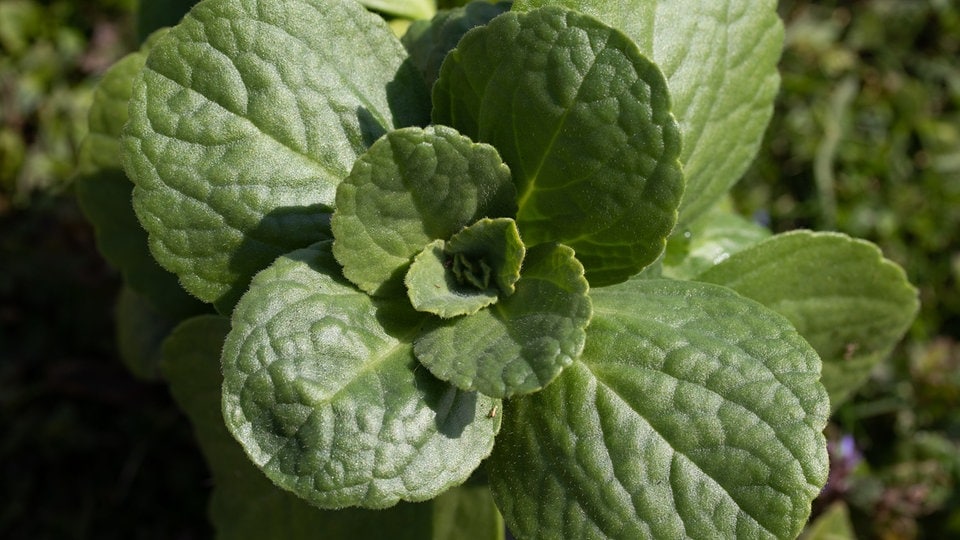
Verpiss-Dich-Pflanze: Planting, Care, and Effectiveness Guide for a Pest-Free Garden
Tired of unwelcome furry visitors turning your meticulously cultivated garden into their personal litter box or playground? The "Verpiss-Dich-Pflanze" (literally "Get Lost Plant"), also known botanically as *Coleus canina* or *Plectranthus ornatus*, promises a natural and humane solution. This intriguing plant, with its straightforward name, has gained significant attention for its ability to deter cats and dogs without resorting to harsh chemicals or physical barriers. But what exactly is this plant, how do you care for it, and crucially for many concerned gardeners and pet owners, is the
Verpiss-Dich-Pflanze giftig (poisonous)? Let's dive deep into the world of this unique garden ally.
Understanding the "Verpiss-Dich-Pflanze": Your Natural Animal Deterrent
Originating from a clever German gardener's cultivation, the Verpiss-Dich-Pflanze, often also referred to as the "Harp Bush" (*Harfenstrauch*), is a perennial plant celebrated for its distinctive repellent properties. Its effectiveness lies in the specific aroma it emits. While humans only perceive a subtle, slightly menthol-like scent when the leaves are rubbed, animals like cats and dogs find this smell profoundly unpleasant and choose to give it a wide berth. This ingenious mechanism allows gardeners to reclaim their outdoor spaces without causing harm to the animals themselves.
The plant's scientific names, *Coleus canina* or *Plectranthus ornatus*, give a hint to its family, but it's the German colloquial name that truly captures its purpose. It's designed to make animals "get lost," preventing them from fouling garden beds, disturbing delicate seedlings, or marking territory near your home. Beyond cats and dogs, anecdotal evidence and some growers suggest it may also deter other small mammals such as martens and rabbits.
One of the most pressing questions for anyone considering this plant, especially if they have pets or children, is its safety. We're happy to confirm that the
Verpiss-Dich-Pflanze is not poisonous. The reference context clearly states it is "völlig ungiftig" (completely non-toxic) for both humans and animals, a fact lauded in expert publications. This makes it a popular choice for those seeking an ethical and safe approach to animal deterrence. While it's generally advised that ornamental plants are "not for consumption" – a standard disclaimer for most non-food plants – this does not imply toxicity in the event of accidental nibbling. Its primary function is to deter through scent, not to be ingested.
Planting Your "Verpiss-Dich-Pflanze": A Guide to Establishment
Getting your Verpiss-Dich-Pflanze established correctly is the first step towards a more peaceful garden. This versatile plant is surprisingly adaptable, making it suitable for a variety of garden designs and conditions.
Choosing the Right Location
The Verpiss-Dich-Pflanze thrives in diverse environments, comfortably growing in:
- Garden Beds: Ideal for protecting vegetable patches, flower beds, or specific areas you want animals to avoid.
- Path Edges: Planting along pathways can help define boundaries and prevent animals from cutting through sensitive areas.
- Pots and Containers: Excellent for patios, balconies, near doorways, or in areas where you need mobile deterrence. This also allows for easier overwintering.
One of its greatest assets is its flexibility regarding light conditions. It flourishes in
full sun, partial shade, and even shade, making it a truly adaptable choice for almost any spot in your garden.
Soil and Spacing
While not overly particular about soil, the Verpiss-Dich-Pflanze prefers well-draining soil. Average garden soil enriched with a bit of compost usually suffices. Heavy clay soils might benefit from some sand or grit to improve drainage.
For optimal effectiveness and growth, proper spacing is crucial:
- Planting Distance: Maintain a distance of 1 to 2 meters (approximately 3 to 6.5 feet) between individual Verpiss-Dich-Pflanzen and other plants. This generous spacing allows each plant to develop fully and project its deterrent scent effectively.
- Effective Range: Growers suggest the deterrent scent can be effective in a radius of up to 4 meters, though this can vary based on environmental factors. Placing plants strategically around the perimeter of the area you wish to protect is a good approach.
Planting in spring after the last frost is generally ideal, giving the plant ample time to establish itself before summer.
Caring for Your "Verpiss-Dich-Pflanze": Low Maintenance, High Reward
The beauty of the Verpiss-Dich-Pflanze extends beyond its deterrent capabilities to its remarkably low maintenance requirements. This means less work for you and more time to enjoy your pest-free garden.
Watering and Feeding
The Verpiss-Dich-Pflanze has a
low water requirement. Once established, it is quite drought-tolerant. Water thoroughly when the topsoil feels dry to the touch, but avoid overwatering, which can lead to root rot. Potted plants may need more frequent watering than those in garden beds, especially during hot, dry spells.
Fertilization is generally minimal. For plants in garden beds, a balanced, slow-release fertilizer at the beginning of the growing season or a top-dressing of compost is usually sufficient. Potted plants might benefit from a liquid feed every 4-6 weeks during their active growth phase.
Pruning and Overwintering
The Verpiss-Dich-Pflanze can grow up to 40 cm (about 16 inches) tall. Occasional pruning can help maintain a bushy shape, encourage more leaf growth (and thus more scent), and prevent it from becoming leggy. Simply pinch back the growing tips or trim branches as needed.
As a perennial, this plant can return year after year. However, in colder climates, it will require
protected overwintering.
- Potted Plants: Easily moved indoors to a cool, bright spot like a sunroom, garage with a window, or basement. Reduce watering significantly during winter dormancy.
- Garden Plants: In milder climates, a thick layer of mulch around the base may suffice. In colder regions, you might consider taking cuttings in late summer to overwinter indoors, ensuring you have new plants for the following spring.
Effectiveness of the "Verpiss-Dich-Pflanze" as an Animal Repellent
The promise of a natural animal deterrent is appealing, and the Verpiss-Dich-Pflanze delivers on many fronts, though it's important to set realistic expectations.
The repellent effect is based on the strong, menthol-like essential oils released from its leaves, particularly when the plant is disturbed or when the scent diffuses naturally. While breeders suggest the deterrent radius can be up to 4 meters, it's crucial to understand that this is not a scientifically proven, absolute barrier. Several factors can influence its efficacy:
- Weather Conditions: The scent tends to be stronger and more pervasive on sunny, warm days. On overcast or rainy days, the aroma may be less potent, potentially reducing its range.
- Individual Animal Sensitivity: Just like humans, individual animals can have varying sensitivities to smells. Some may be more easily deterred than others.
- Environmental Factors: Wind direction and strength can affect how widely the scent travels.
For truly effective deterrence, experience shows that the Verpiss-Dich-Pflanze works best as part of a multi-pronged approach. While it’s an excellent primary deterrent, combining it with other measures such as motion-activated sprinklers, fences, or ensuring there are no attractants (like uncovered trash or pet food) can significantly boost overall success.
Despite varying efficacy based on conditions, the Verpiss-Dich-Pflanze is highly praised for its natural and humane method of deterrence. It doesn't harm animals, and it contributes to the garden's biodiversity by providing food for insects and bees during its summer blooming period.
Is the Verpiss-Dich-Pflanze Really Poisonous? A Deep Dive into Safety
The question, "
Verpiss-Dich-Pflanze giftig?" remains a top concern for many, and it's essential to unequivocally address it. As confirmed by numerous horticultural experts and the plant's breeders, the Verpiss-Dich-Pflanze (*Coleus canina* / *Plectranthus ornatus*) is
not poisonous for humans, cats, dogs, or other animals.
The plant's repellent action is purely olfactory; it's the smell, not any toxic compound, that deters animals. Unlike genuinely poisonous plants that can cause severe illness or even death upon ingestion, the Verpiss-Dich-Pflanze poses no such threat. The standard "plant not for consumption" label often found on ornamental plants is a general precaution, not an indication of toxicity. It simply means the plant is not intended as food and should not be eaten in large quantities, much like many garden ornamentals.
This non-toxic nature is a significant advantage, particularly for households with curious children or pets who might occasionally nibble on garden foliage. You can confidently plant it knowing it won't harm your beloved companions or family members. Furthermore, its flowers are beneficial for pollinators like bees and other insects, adding to its ecological value. For a more in-depth look at its safety profile, you might want to read our dedicated article:
Is the Verpiss-Dich-Pflanze Poisonous? Unpacking Its Safety. Discover more about its role as a natural repellent in:
Verpiss-Dich-Pflanze: Safe & Natural Cat & Dog Repellent.
Conclusion
The Verpiss-Dich-Pflanze offers a compelling and humane solution for gardeners seeking to deter unwanted animal visitors. Its unique, animal-repelling scent, coupled with its low maintenance needs and remarkable adaptability to various growing conditions, makes it an attractive choice. Crucially, its non-toxic nature – affirming that the
Verpiss-Dich-Pflanze is not poisonous – provides peace of mind for pet owners and families. By understanding its planting requirements, care needs, and how to maximize its effectiveness, you can successfully integrate this innovative plant into your garden and enjoy a more serene, pest-free outdoor sanctuary. Give your garden the protection it deserves, naturally.