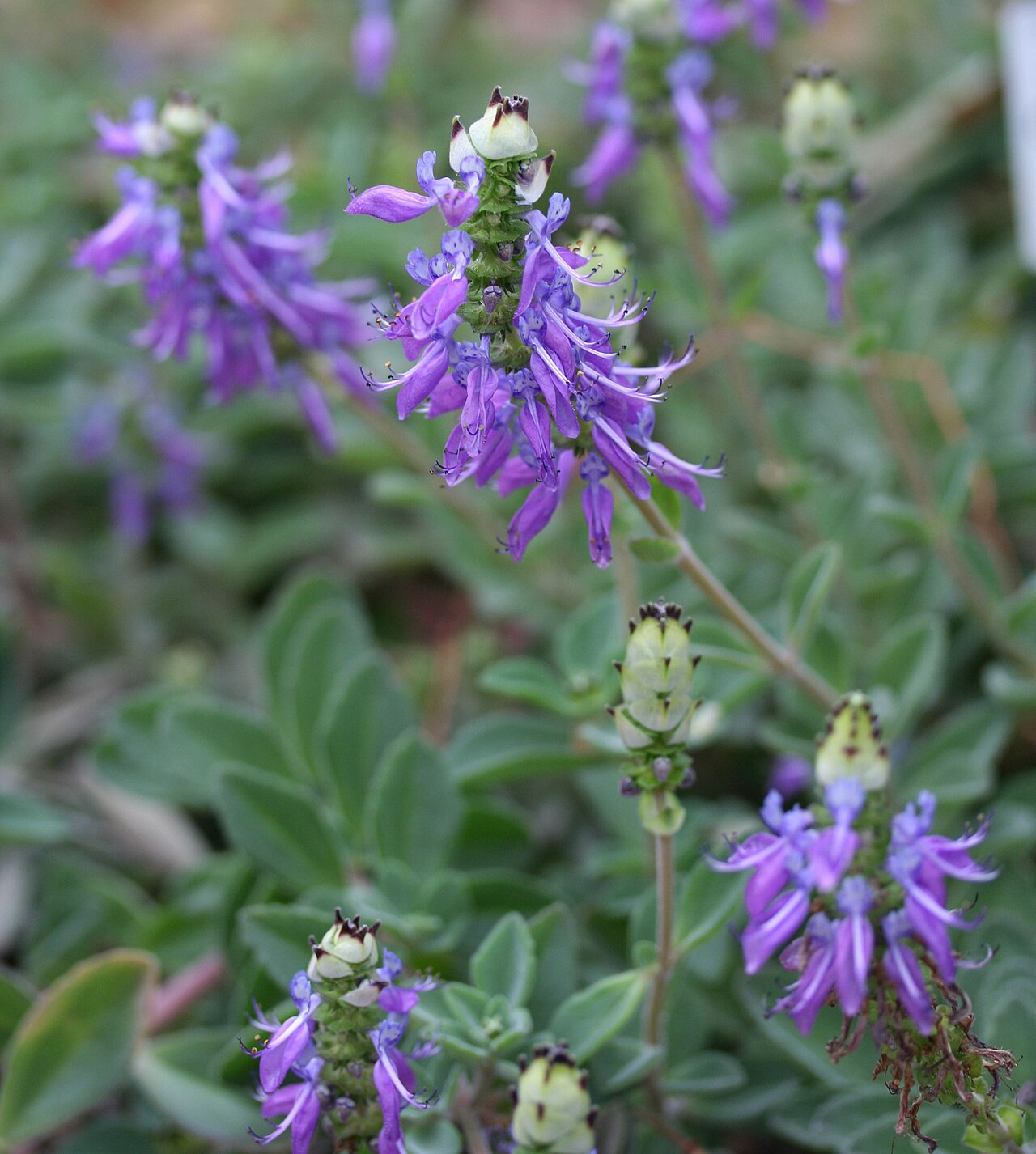
The Verpiss-Dich-Pflanze: Your Natural & Safe Solution for Pet-Free Gardens
Are you a proud gardener constantly battling unwelcome furry visitors? Do you find your pristine flowerbeds disturbed by digging paws, or your carefully cultivated vegetable patches tainted by cat or dog waste? Many pet owners and garden enthusiasts face this frustrating dilemma, seeking humane yet effective ways to keep their beloved pets (or neighborhood wanderers) out of specific garden areas without resorting to harsh chemicals or unpleasant traps. Enter the
Verpiss-Dich-Pflanze – a uniquely named solution that translates literally to the "Get Lost Plant." This intriguing herb, often hailed as a miracle worker, promises a natural, gentle, and most importantly, safe way to reclaim your garden.
This article will delve into everything you need to know about this remarkable plant, particularly addressing the crucial question:
Verpiss-Dich-Pflanze giftig (is the Verpiss-Dich-Pflanze poisonous)? We'll explore its origins, how it works, its care requirements, and practical tips to maximize its effectiveness, ensuring your garden remains a sanctuary for you, not just for pets.
What is the Verpiss-Dich-Pflanze? Unpacking its Identity and Purpose
The Verpiss-Dich-Pflanze, scientifically known as
Coleus canina or sometimes
Plectranthus ornatus, and colloquially referred to as the 'Harp Shrub' (Harfenstrauch) in some regions, is a fascinating perennial herb. Originating from the clever cultivation of a Swabian gardener, this plant was specifically bred with one primary goal in mind: to deter cats and dogs from gardens.
Its unique repellent action stems from a particular scent it emits. For humans, this smell is largely imperceptible unless the leaves are rubbed or brushed against. However, for animals with a much more sensitive olfactory system, such as cats and dogs, the plant releases a strong, distinctly unpleasant odor. This smell, often described as having a slight menthol-like quality, acts as a natural deterrent, prompting animals to give the plant – and the area around it – a wide berth. It's a testament to nature's ingenuity, providing a solution that works with an animal's natural instincts rather than against them.
Is the Verpiss-Dich-Pflanze Poisonous? Addressing the Key Concern for Pet Owners
For any pet owner considering a new plant for their garden, safety is paramount. The primary concern often revolves around toxicity:
is the Verpiss-Dich-Pflanze poisonous? This question is vital, especially given its direct interaction with animals. We are pleased to confirm that the
Coleus canina Verpiss-Dich®-Pflanze is widely praised in professional circles and confirmed by growers as **completely non-toxic** for both humans and animals.
This is excellent news for dog and cat owners! You can plant the Verpiss-Dich-Pflanze with peace of mind, knowing that if your curious pet were to nibble on a leaf, it would not suffer any ill effects from poisoning. Its non-toxic nature makes it an incredibly appealing alternative to chemical repellents, which can pose health risks to pets, children, and beneficial wildlife.
While the plant is stated as "not for consumption," it's important to understand this doesn't equate to being poisonous. Many plants are not intended for human or animal consumption – they simply aren't food. Ingesting large quantities of any non-food plant might cause mild stomach upset, much like eating too much grass might for a dog, but it won't result in poisoning. The main takeaway is its confirmed safety profile, making the
Verpiss-Dich-Pflanze giftig a non-issue for concerned pet parents.
Furthermore, its benign nature extends to other garden inhabitants. During its summer blooming period, the Verpiss-Dich-Pflanze actually provides a valuable food source for insects and bees, contributing positively to your garden's ecosystem rather than harming it. This dual benefit – repelling unwanted animal visitors while supporting pollinators – makes it an environmentally friendly choice. For a deeper dive into its safety, explore our dedicated article:
Is the Verpiss-Dich-Pflanze Poisonous? Unpacking Its Safety.
How the "Get Lost" Plant Works as a Repellent
The repellent power of the Verpiss-Dich-Pflanze lies in the potent, essential oils secreted by its leaves. These oils produce a distinctive, pungent aroma that cats, dogs, and even other garden pests like martens and rabbits find highly offensive. Think of it as a natural, invisible fence of scent that sensitive animals instinctively avoid.
While for humans the scent is only noticeable upon direct contact, for pets, it's a persistent signal to stay away. The plant effectively leverages the heightened sense of smell that these animals possess. The claimed effectiveness radius can extend up to 4 meters around the plant, though this is not scientifically proven and can vary. Factors such as wind direction, humidity, temperature, and even the individual animal's sensitivity can influence how far the scent travels and how potent it appears. On overcast or rainy days, for instance, the scent might be less pronounced than on a warm, sunny day when the oils are more readily diffused into the air.
Strategic placement is key to maximizing its effect. Planting these herbs along garden edges, around valuable flowerbeds, near vegetable patches, or at entry points can create a barrier that discourages animals from entering or lingering in protected areas.
Cultivating Success: Planting and Care Tips for Your Repellent Plant
One of the many appealing aspects of the Verpiss-Dich-Pflanze is its low maintenance requirements, making it an ideal choice for both seasoned gardeners and beginners.
*
Location: This versatile perennial thrives in a variety of light conditions, from full sun to partial shade and even full shade. This adaptability means you can place it almost anywhere in your garden where you need pet deterrence.
*
Soil: While not overly fussy, it prefers well-draining soil. Its low water requirement suggests it doesn't like to sit in soggy conditions.
*
Planting Distance: For optimal coverage and effectiveness, an ideal planting distance of 1 to 2 meters between each Verpiss-Dich-Pflanze is recommended. This spacing ensures that the repellent scent forms a continuous barrier around the protected area. If planting near other beloved plants, maintain this distance to prevent the Verpiss-Dich-Pflanze from crowding them out.
*
Watering: The plant has low water needs, meaning it's relatively drought-tolerant once established. Water regularly after planting until it's settled, then only as needed, allowing the soil to dry out between waterings.
*
Growth & Appearance: It typically grows to about 40 cm (16 inches) in height. In the summer, it produces small, unassuming flowers that, as mentioned, are attractive to pollinators.
*
Overwintering: As a perennial, the Verpiss-Dich-Pflanze can be overwintered. In colder climates, it's best to bring potted plants indoors to a protected, frost-free location, or provide adequate winter protection for garden beds.
With its hardy nature and minimal demands, the Verpiss-Dich-Pflanze is a practical and efficient addition to any garden seeking a natural deterrent. For a complete guide on how to get the most out of your plant, including detailed care instructions, refer to our article:
Verpiss-Dich-Pflanze: Planting, Care, and Effectiveness Guide.
Maximizing Effectiveness: Beyond Just One Plant
While the Verpiss-Dich-Pflanze is a powerful tool, experience shows that for genuinely effective pet deterrence, it's often best utilized as part of a multi-faceted approach. No single solution is a magic bullet, especially when dealing with the determined habits of some animals.
Consider combining the plant with other humane deterrents:
*
Physical Barriers: Low fencing or netting can provide an additional visual and physical deterrent, especially for areas you want to completely protect.
*
Motion-Activated Sprinklers: These can startle animals without causing harm, reinforcing the message that certain areas are off-limits.
*
Training: For your own pets, consistent training and providing alternative, acceptable "toilet" areas in your garden can be very effective.
*
Varying Textures: Laying down pine cones or rough mulch in specific areas can make them less appealing for animals to walk or dig in.
*
Consistency: Patience and consistency are crucial. Animals learn through repetition. Maintain your chosen deterrents, and over time, animals will learn to avoid the protected zones.
The Verpiss-Dich-Pflanze serves as an excellent foundation for this integrated strategy, providing a constant, subtle reminder to animals that your garden beds are not their personal litter box or playground. It's about creating an environment that gently encourages them to find more suitable spots elsewhere.
Conclusion
The Verpiss-Dich-Pflanze offers a compelling, natural, and remarkably safe solution for gardeners plagued by unwanted animal visitors. Its unique ability to emit an odor unpleasant to pets while remaining virtually odorless to humans, combined with its confirmed non-toxic nature, makes it an ideal choice for a pet-friendly and eco-conscious garden. No longer do you need to worry about the lingering question, "
Verpiss-Dich-Pflanze giftig?" as its safety for pets and humans is well-established.
Easy to grow and maintain, this powerful herb provides an ethical and humane way to protect your garden beds, pathways, and potted plants. While it's a highly effective deterrent on its own, integrating it into a broader strategy for animal management will yield the best and longest-lasting results. Embrace the power of nature and reclaim your garden with the intelligent and harmless charm of the Verpiss-Dich-Pflanze.